Learn All About Health & Nutrition Benefits of Lecithin Sunflower
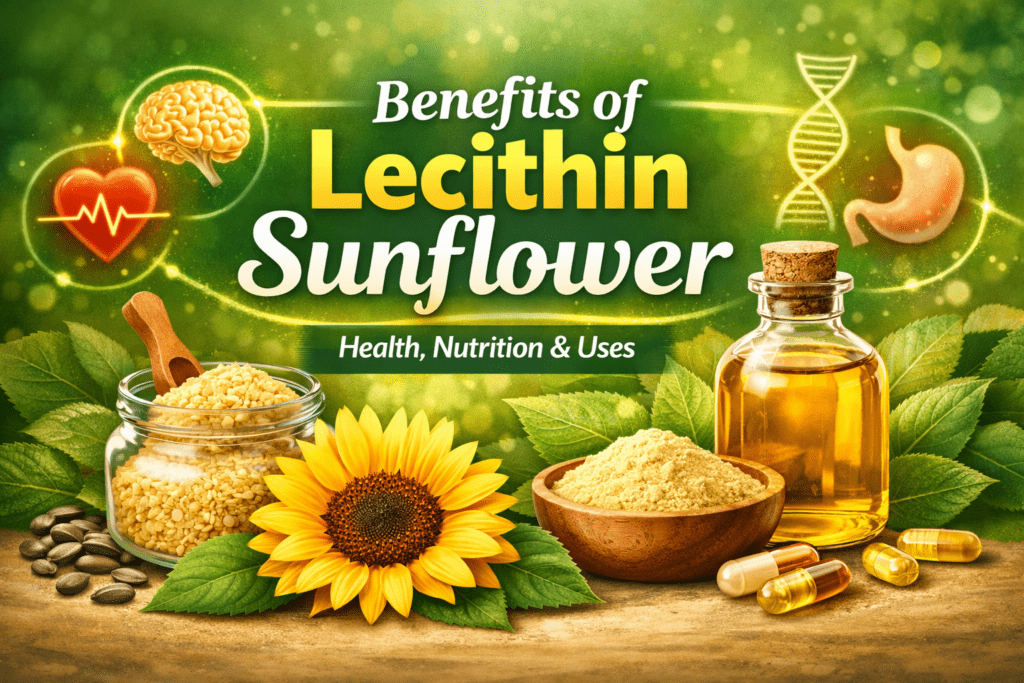
Sunflower lecithin has become increasingly recognised in the health and nutrition industry because of its natural source and wide range of advantages. Extracted from sunflower seeds, this powerful natural emulsifier is commonly used in food products, supplements, and wellness formulas. Many health-conscious consumers choose it because it is non-GMO, soy-free, and rich in beneficial phospholipids that support multiple bodily functions.
When discussing the benefits of lecithin sunflower, it is important to understand how this compound functions inside the body. Sunflower lecithin contains phosphatidylcholine, phosphatidylinositol, and essential fatty acids that help maintain cell structure, support brain activity, improve liver health, and assist nutrient absorption. Because of these properties, sunflower lecithin is widely used in dietary supplements, chocolates, baked goods, protein powders, and even skincare products.
This guide explains the benefits of lecithin sunflower, its nutritional composition, health advantages, possible side effects, and practical ways to include it in everyday life.
What is sunflower lecithin?
Sunflower lecithin is a fatty substance extracted from sunflower seeds through a mechanical process. Unlike soy lecithin, it does not require chemical solvents during extraction, which makes it a cleaner and more natural option.
Lecithin is not a single compound. Instead, it is a mixture of phospholipids and fatty acids that are essential for maintaining healthy cell membranes.
Sunflower lecithin is commonly available in several forms:
- Powder
- Liquid
- Granules
- Capsules (dietary supplements)
Because of its natural emulsifying ability, it helps combine oil and water, which is why it is frequently used in processed foods and nutritional supplements.
Nutritional Components of Sunflower Lecithin
The benefits of lecithin sunflower mainly come from its rich concentration of phospholipids and essential nutrients. Important components include:
- Phosphatidylcholine – Supports brain function and liver health
- Phosphatidylinositol – Helps regulate cell signaling and metabolism
- Phosphatidylethanolamine – Important for maintaining healthy cell membranes
- Essential Fatty Acids – Support heart health and help reduce inflammation
- Choline – A key nutrient for brain development and nervous system function
Together, these nutrients help maintain cellular health and support multiple systems throughout the body.
Benefits of Lecithin Sunflower for Brain Health
One of the most well-known benefits of lecithin sunflower is its support for brain health. Sunflower lecithin contains choline, which the body uses to produce acetylcholine — a neurotransmitter essential for memory and learning.
Regular intake may help:
- Improve memory and cognitive performance
- Enhance concentration and mental clarity
- Reduce brain fog
- Support neurological health during aging
Because of these benefits, sunflower lecithin is often included in nootropic supplements designed to improve mental performance.
Benefits of Lecithin Sunflower for Heart Health
Another important advantage of sunflower lecithin is its potential support for cardiovascular health. Lecithin helps break down fats and cholesterol, which may help prevent buildup in the arteries.
Possible heart-related benefits include:
- Supporting healthy cholesterol levels
- Improving fat metabolism
- Enhancing blood circulation
- Reducing the risk of plaque accumulation in arteries
When combined with a balanced diet and healthy lifestyle, these properties may contribute to better heart health.
Benefits of Lecithin Sunflower for Liver Function
The liver plays a critical role in detoxification and fat metabolism. One of the key benefits of lecithin sunflower is its ability to support liver function by helping process and transport fats efficiently.
Potential liver-related benefits include:
- Supporting natural liver detoxification
- Preventing fat buildup in liver cells
- Improving fat metabolism
- Promoting overall metabolic health
Because of these effects, lecithin is sometimes recommended for individuals concerned about fatty liver conditions.
Digestive Health and Nutrient Absorption
Sunflower lecithin may also support digestive health by improving the body’s ability to absorb nutrients. Its emulsifying properties help break down fats so they can be absorbed more efficiently.
Possible digestive benefits include:
- Better fat digestion
- Improved absorption of fat-soluble vitamins (A, D, E, and K)
- Support for gut health
- Reduced digestive discomfort related to fat metabolism
For this reason, sunflower lecithin is often included in nutritional supplements and functional foods.
Skin and Hair Benefits
Sunflower lecithin can also support skin and hair health. The phospholipids present in lecithin help maintain moisture balance and strengthen cell membranes.
Possible beauty-related benefits include:
- Improved skin hydration
- Better skin elasticity
- Reduced dryness and irritation
- Healthier and stronger hair texture
Because of these advantages, lecithin is frequently used in cosmetic and skincare formulations.
Sunflower Lecithin vs Soy Lecithin
Many consumers prefer sunflower lecithin over soy lecithin for several reasons.
Sunflower Lecithin
- Naturally extracted
- Usually non-GMO
- Soy-free
- Suitable for individuals with soy allergies
Soy Lecithin
- Often genetically modified
- Extracted using chemical solvents
- May trigger issues for people with soy allergies
Because of these differences, sunflower lecithin is often considered the cleaner and more natural option.
How to Use Sunflower Lecithin
Sunflower lecithin can easily be added to daily routines in several ways.
Common uses include:
Dietary Supplements
Capsules or granules are often taken to support brain and liver health.
Food Ingredient
Frequently added to chocolate, baked goods, smoothies, and protein shakes.
Cooking and Baking
Improves texture and consistency in recipes.
Smoothies and Drinks
Powdered lecithin can be mixed into smoothies to increase nutrient intake.
The appropriate dosage may vary depending on the product and individual health goals, so following manufacturer instructions is recommended.
Possible Side Effects of Sunflower Lecithin
Sunflower lecithin is generally safe for most people when consumed in moderate amounts. However, excessive intake may lead to mild side effects such as:
- Digestive discomfort
- Nausea
- Diarrhea
- Stomach bloating
Individuals with specific medical conditions should consult a healthcare professional before starting supplementation.
Who Should Avoid Sunflower Lecithin?
Although sunflower lecithin is safe for most individuals, some people should use caution:
- Individuals with sunflower seed allergies
- People with sensitive digestive systems
- Individuals taking medications that affect fat metabolism
Consulting a healthcare professional before adding new supplements is always recommended.
Conclusion
The benefits of lecithin sunflower make it one of the most valuable natural ingredients used in both nutrition and dietary supplements. Rich in phospholipids, choline, and essential fatty acids, sunflower lecithin supports brain function, heart health, liver detoxification, digestion, and skin health.
Because it is naturally extracted and typically free from genetically modified ingredients, sunflower lecithin is widely considered a healthier alternative to soy lecithin. When consumed responsibly as part of a balanced diet, it may contribute to overall wellness and improved metabolic health.
Understanding the benefits of lecithin sunflower helps consumers make informed decisions when choosing supplements or food products that support long-term health.