Lecithin Supplement - Advantages, Applications, Dosage, Adverse Reactions, and Optimal Food Sources
Lecithin is one of those nutrients most people eat routinely without even realising it. Although it is found naturally in common foods like eggs and seeds, it also has a significant impact on liver health, fat metabolism, and brain function. Today, a lot of people decide to include a lecithin supplement in their daily wellness regimen due to these advantages. This article will provide a clear and practical explanation of what lecithin is, how it works, who should take it, the proper dosage, potential side effects, and the finest natural food sources.
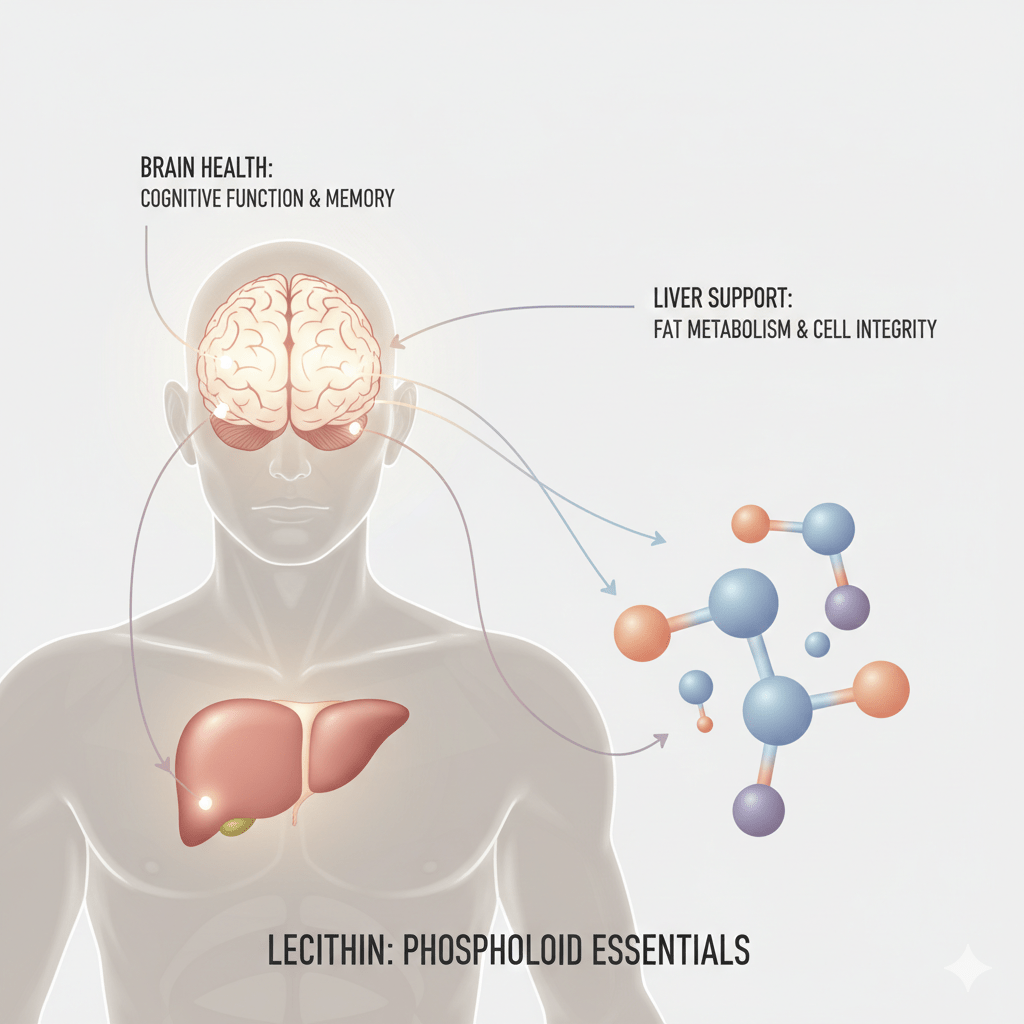
What Is Lecithin Exactly? Both plant and animal cells contain lecithin, a naturally occurring protein that resembles fat. Phospholipids, which are vital for maintaining nerve function and constructing healthy cell membranes, are abundant in it.
Lecithin is used by your body to:
- Transport cholesterol and fats
- Encourage connection between the brain and nerves
- Defend the liver cells
- Boost fat digestion
Supplementation has gained popularity all over the world since modern diets are frequently deficient in specific phospholipids.
How Does the Body Benefit from Lecithin?
Consider lecithin to be your cells' support system. Every cell in your body depends on healthy membranes, and lecithin helps preserve their structure and elasticity.
It supports: Chemicals in the brain that control concentration and memory Fat-regulating liver functions Heart health via balanced cholesterol Because of this, lecithin supports several systems simultaneously rather than just one.
Lecithin Supplement Benefits Mental Focus and Brain Health Lecithin contains choline, which aids in the synthesis of acetylcholine, a neurotransmitter associated with focus, memory, and learning. Lecithin is often used to promote mental clarity, particularly in times of stress or mental strain. Benefits of Lecithin for the Liver Liver support is one of the most well-known applications of lecithin.
It could be useful by: Keeping the liver from accumulating too much fat supporting the body's natural detoxification processes Enhancing the activity of liver enzymes
Heart Health and Cholesterol
Lecithin facilitates the body's more effective breakdown and transportation of lipids. As a result, when paired with a balanced diet and an active lifestyle, it may promote good cholesterol levels. When looking for the greatest lecithin choice for cholesterol support, many consumers prioritise consistency over large dosages.
Lecithin Benefits for Women
Lecithin is frequently used by women for:
- Support for hormonal balance
- Skin elasticity and hydration
- Health of the brain and nerves
- assistance when nursing (for clogged ducts, if advised by a physician) It is appropriate for long-term wellness use due to its mild, organic activity.
Dosage of Lecithin Supplement
Although there isn’t a unique “ideal” dosage for everyone, broad recommendations are frequently adhered to.
Typical range of dosages:
- 1,200–3,600 mg daily
- If necessary, divide into two or three doses. The appropriate dosage is determined by your diet, supplement type, and health objective. Always begin with a lower dosage and work your way up.
The Ideal Time to Take Lecithin
The reason for taking it will determine the timing:
- During meals: Aids in the digestion of fat
- Morning: Promotes concentration and cognitive function
- Main meals: Better for supporting cholesterol and the liver
It is normally more comfortable to take lecithin with meals if you have a sensitive stomach.
Side Effects of Lecithin
When used properly, lecithin is thought to be safe for the majority of people. The majority of side effects are moderate and rare.
Among the potential adverse consequences are:
- Slight nausea
- Bloating
- discomfort in the stomach
These problems are frequently resolved by lowering the dosage.
Side Effects of Soy Lecithin
The most popular type is soy lecithin, although it might not be suitable for everyone.
Some individuals encounter:
- Sensitivity to digestion
- Rarely, mild allergic reactions
Sunflower lecithin is a common substitute if you have soy sensitivity.
Why Is Lecithin Unhealthy?
By itself, lecithin is safe. The majority of worries stem from:
- Overdosing
- Low-quality supplements
- Personal allergies
Lecithin is generally safe and well-tolerated when taken in the right quantity from reliable sources.
Lecithin's Best Natural Food Sources
Lecithin can also be obtained organically from foods like:
- Yolks of eggs
- Soybeans
- Sunflower seeds
- The peanut
- Wheat germ
Although supplementation is frequently necessary for therapeutic advantages, including these items in your diet promotes natural intake.
Food vs Supplement: Which Is Better?
For everyday nourishment, food sources are excellent, but supplements provide:
- More regular consumption
- Simpler management of dosage
- Greater backing for particular health objectives
For this reason, a lot of people take supplements in addition to eating a balanced diet.
Selecting a High-Quality Lecithin Product
When choosing a product, consider:
- Ingredients that are not GMO
- Unambiguous labelling
- Testing by third parties
- Options based on sunflowers if you’re sensitive to soy
You can read our comprehensive guide on Lecithin here for a more thorough explanation.
Who Should Take Supplements of Lecithin?
Lecithin could be useful for:
- Individuals controlling their cholesterol
- Those seeking mental assistance
- People who were concerned about liver health
- Adults that consume less choline in their diet
Concluding Remarks
Lecithin is a straightforward yet potent vitamin that helps your body function at the cellular level. Its advantages are numerous and solidly backed by nutritional science, spanning from liver health and fat metabolism to brain function. When used intelligently, a lecithin supplement can be a beneficial addition to a healthy lifestyle especially when accompanied with appropriate nutrition and regularity.
Frequently asked questions
When taken at the prescribed dosage, lecithin is generally safe to use on a regular basis. It is generally well tolerated by most people, particularly when taken with food. Problems often only occur when supplements are used in excess or of low quality.
Lecithin is not harmful in and of itself. Overdosing, personal sensitivities (particularly to soy), or utilising inferior products are the main causes of concern. Lecithin is regarded as safe when obtained from reliable brands and taken as directed.
By preventing fat accumulation, promoting natural detoxification processes, and enhancing fat metabolism, lecithin promotes liver health. For this reason, it is frequently advised for those who lead sedentary lives or consume large amounts of fat.
Since lecithin aids in the absorption and digestion of fat, it is best taken with food. For greater liver and cholesterol support, many people like to take it first thing in the morning or with their main meals.
Yes, women frequently utilize lecithin to promote hormonal balance, skin hydration, and cognitive health. Under medical supervision, some women also use it while nursing. When used appropriately, it is appropriate for long-term use.
For most people, soy lecithin is safe. However, sunflower lecithin is an acceptable substitute if you are allergic to or sensitive to soy. The nutritional advantages of both types are comparable.